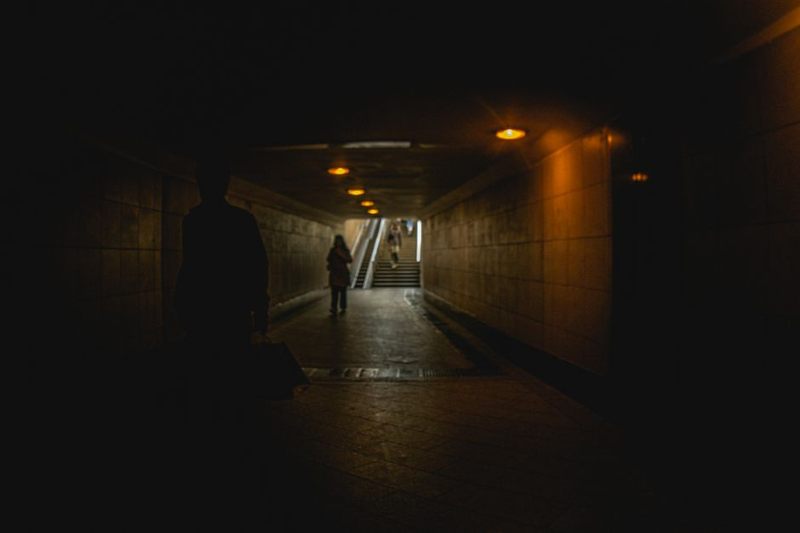
How Shadow Mechanics Reshaped Level Design
We trace how light and shadow systems moved from simple binary detection to layered stealth ecosystems across three decades of tactical titles.
From Port Said, we chronicle how sneaking, hiding, and tactical infiltration became a genre unto itself.
Enter the ArchiveNew chronicles on tactical espionage classics and stealth mechanics evolution post regularly.
Their piece comparing guard AI patterns across three console generations changed how I replay these games. I paused mid-mission just to watch the patrol logic play out. Real analysis, not fluff.
I've read a lot of retrospectives that just list games. This site actually digs into why certain infiltration mechanics stuck around and others vanished after one title. Rare to find that depth.
Sent their essay on early espionage titles to three friends in one week. The section on sound-based detection systems in pre-3D games taught me something I hadn't seen covered elsewhere.
Recent dispatches on the tactical espionage genre and its lineage
We trace how light and shadow systems moved from simple binary detection to layered stealth ecosystems across three decades of tactical titles.

Before the genre had a name, a handful of titles quietly established the vocabulary of infiltration gameplay we still recognize today.
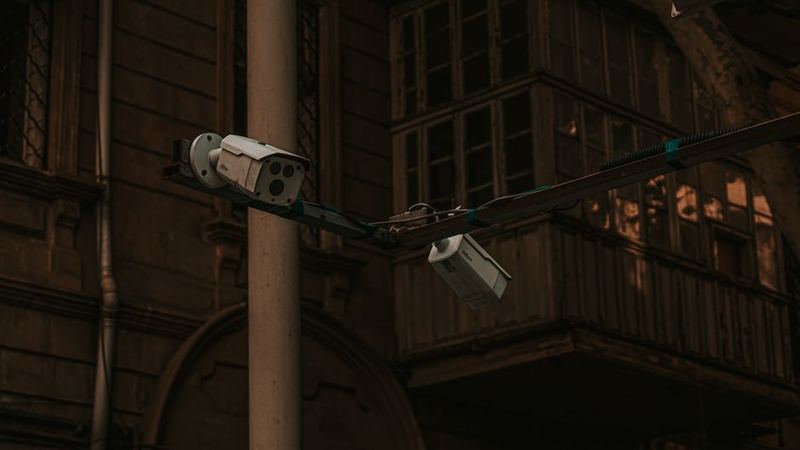
A look at how enemy patrol logic evolved from fixed patterns into systems that respond to noise, light, and player positioning.

Examining how narrative framing around espionage and covert operations shaped tone, pacing, and mission design across the genre's history.

We collected submissions from longtime readers about the infiltration sequences that stuck with them years after finishing the game.
Why enthusiasts keep coming back to our coverage of the genre
Every piece stays anchored to stealth and tactical espionage mechanics rather than covering games broadly, keeping analysis sharp and relevant.
We examine detection systems, AI routines, and level design choices instead of repeating promotional talking points from studios.
Community members regularly contribute mission breakdowns and historical context that shape our ongoing coverage of the genre.
Our chronicles span early espionage experiments through modern tactical titles, connecting design threads across generations.
Common questions about our coverage and the stealth genre itself
We cover tactical espionage and stealth titles from their earliest mechanical experiments through contemporary releases, focusing on how core systems like detection and concealment developed over time.
Yes, when a title had meaningfully different mechanics or design choices between platforms, we address both versions, since stealth systems often varied significantly across hardware.
We regularly review reader suggestions for chronicle topics, particularly for lesser-known tactical titles that deserve closer examination of their mechanics and design history.
No, our coverage spans the broader stealth and tactical espionage genre across many studios and franchises, not a single series, to trace shared design lineage.
We rely on published reviews, developer interviews, official documentation, and community-shared knowledge to build accurate historical accounts of genre-defining titles.